Adam J

When I was 11, my dad was diagnosed with dementia. It was a long process, gradual and often invisible to people outside my home. Over the years, I watched someone I looked up to change completely, and I took on more responsibility at a young age than most of my peers. By the time I reached high school, my mornings often started earlier than others. I’d keep an eye on my dad before school, especially before his support worker arrived. After class, I’d go to work part-time and still be there to help out when needed. It was exhausting sometimes, but it taught me how to be dependable under pressure and stay composed when things felt chaotic. My dad passed away this past September due to complications from the final stages of dementia. And while the loss still stings, I’d been slowly preparing for it for years. The experience shaped me, but it didn’t stop me. If anything, it motivated me to stay focused on building a future I could be proud of. I’m now in my third year of Professional Communication at Toronto Metropolitan University, with a double minor in Marketing and Public Relations. I’ve maintained a 3.5 cumulative GPA and a 3.8 over my past four semesters, even while juggling work and everything going on at home. That consistency comes from a place of knowing what I want out of life and using my experiences to fuel that momentum. Going forward, I see myself pursuing a career in Brand Marketing, Digital Strategy, or Growth Consulting, roles that combine creativity, consumer psychology, and long-term planning. I’m drawn to brands that don’t just sell but connect. That builds loyalty, trust, and cultural relevance. I’ve also been building a personal portfolio, working on mock campaigns and digital projects that reflect that focus. Whether it’s through storytelling, design strategy, or paid media planning, I want to play a role in shaping how people experience and connect with modern brands. What I’ve been through has given me a calm, steady perspective that I bring into my work and relationships. I don’t get flustered easily, I know how to manage pressure, and I try to approach every opportunity with humility and intention. Resilience isn’t always loud, it’s often just about showing up, consistently and thoughtfully. This scholarship would be a meaningful piece of support as I continue that path. It’s not just about the financial help, it’s about being recognized for pushing through a long, quiet struggle and still looking ahead. That’s what I’ve always tried to do, and it’s what I’ll continue to do in my life and career.
Josh D

Two days after my 9th birthday, I learned that my father passed away. It was devastating news.
As bad as it was to lose him physically in death, the most devastating to me was that I did not get a chance to get to know him well and to spend a lot of time with him.
He loved me dearly, but he struggled with his mental health and addiction. He was from indigenous descent and his own family was damaged for generations back, wounded by the residential schools system, which led to feelings of worthlessness and hopelessness.
As a child, I always felt jealous and angry when I would see other children having a good time with their fathers. I was very sad that I have never had physical and emotional support from a father. Losing my father before even knowing him took a great toll on my mental health. I was raised by my mom and my maternal grandparents. Them being always there for me, even in my darkest moments, when I had to talk with someone, was the greatest help in my recovery and resilience.
My family doctor referred me to a psychiatrist, but the wait times were very long. One day at school my grief and sadness resulted in an uncontrollable anger and my teachers suggested to my family to take me to an emergency room, where I was seen by a psychiatrist immediately. The process of healing started that day with the doctor and many sessions with grief and mental health therapists during my childhood. Even now as a young adult, I find the sessions with therapists are very helpful, because they are teaching me positive thinking and concentrating on the good things in life.
Also, my uncle, my father’s brother, is of great help to me in the path of resilience and healing. He is the male figure that I always longed for in my life. He is teaching me how to do things with my hands and we both share love for cars. Working with my hands makes me calm and happy, especially when working outside.
Since my childhood I was able to help my grandparents in their home maintenance business, cutting grass for neighbours, yard work, pet sitting. Also my grandpa and I worked on renovating our house, which helped me feel the support of a man in my life.
In high school I took a special major in construction, enjoying woodworking very much. I also had great experience and helped working with local landscaping and house renovation’s companies in my school co-op placement.
I applied to study in Sheridan college and I was accepted in the Plumbing Program. I also applied for the Police foundation program. I thought it would be too hard to get into that program, but I gave it a try. I was pleasantly surprised to be accepted. I am excited to take this path in public service since I know a lot about the struggles people go through.
Even though I proudly identify myself as an Indigenous person, I don’t want people to think that native Canadians are stigmatised. I am resolved to not repeat the sad story of my father’s indigenous family.
Isabelle B

My father was always my lifeboat, keeping me afloat through the turbulent waves of life. I’ve battled depression, panic disorder, and generalized anxiety throughout adolescence, especially in high school. At times, I couldn’t leave my house without having a panic attack. My dad, who faced similar struggles, was one of the few people I felt safe turning to. He helped get me into therapy, supported me through medication trials, and guided me through exposure therapy. He was always there—day or night. Some of my fondest memories are when I would lay beside him in bed, feeling safe even without saying a word.
My dad always wanted to help others. He went to nursing school in college, inspiring me to follow in his footsteps. In 2022, I started nursing at Toronto Metropolitan University. With my parents’ support, I found the confidence to thrive. After every lab or clinical, I’d tell my dad everything I’d learned—he was always fascinated.
In my second year, my dad died suddenly of a heart attack. He had beaten pancreatic cancer, a brain tumor, and a stroke, so it was a shock. I got the call from my mom before a midterm and immediately knew something terrible had happened. I was angry I wasn’t there—maybe I could’ve saved him since I had CPR training. That anger turned into deep sadness. He wouldn’t walk me down the aisle, meet his grandkids, or make me laugh one more time with his dry humour.
Eventually, I returned to school and work. It frustrated me how quickly others moved on—I couldn’t understand how the world kept spinning without him. But I knew I had to keep going, for my baby sister and younger brother. A year after his death, the grief caught up to me and I had to take a semester off to focus on my mental health, which was the best decision I could’ve made. My family helped me through this time—whether I needed to cry or just talk about a memory.
Talking about my dad has been vital to my healing. I share stories with my family, tell my boyfriend when something reminds me of him, and let myself fully feel the sadness. On holidays, we say, “Remember when Dad…” and laugh and cry. I’ve also returned to therapy, which has helped immensely. It took time to find the right therapist, but it’s been worth it—especially when grieving.
Though he’s gone, I carry my dad with me every day. A year before he died, he sent me one of his favorite poems, Do Not Stand at My Grave and Weep by Mary Elizabeth Frye. On tough days, I read it and feel his presence in nature and the world around me. Grief is something I’ve come to know well—it never leaves—but I’ll always honor his memory. I’ll share his stories with my future children, keep his traditions alive, and remember him in jokes, music, and everyday moments.
Now, nearly two years later, I work at a paediatric hospice/respite as a personal support worker for medically complex children and am entering my third year of nursing. Losing my dad has deepened my empathy for others, especially those experiencing grief. I hope to carry that compassion into my nursing career, just like he did.
Liliana S
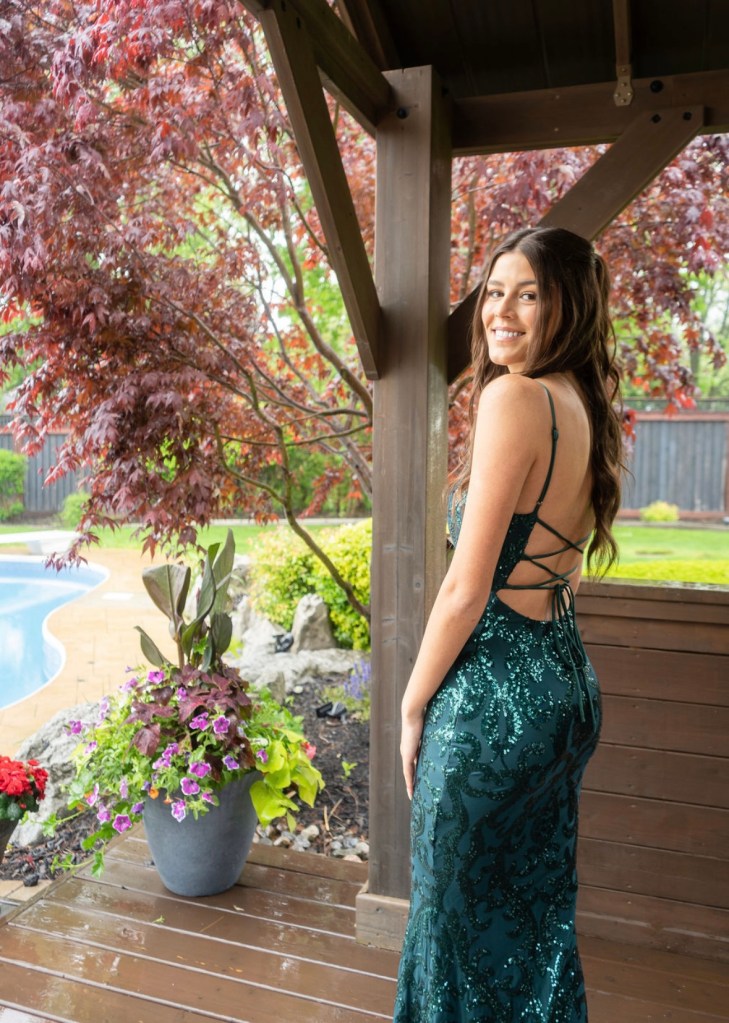
While I’ve faced many challenges, the most defining moment came with the loss of my grandmother in July 2022. Born in April 2007, I grew up without a father figure. My dad left when I was young due to mental illness. I couldn’t fully understand the emotional weight of his absence, but I felt it every day. My mom worked hard to keep us afloat emotionally and financially, but it was never easy.
Growing up, I always wondered why my family looked different. Why was my mom working so many hours? Why didn’t I have a dad like other kids? Despite this, I found comfort in my grandmother. She became my safe space, my emotional rock.
Some of my fondest memories are the Wednesdays we spent helping care for elderly members of our community—her second job that she turned into a shared act of love. She also taught me how to cook, and her pineapple upside-down cake became our signature dish. Through her, I found a passion for giving, caring, and cooking.
Everything changed when she passed away suddenly. Her death left me devastated, and our family faced financial struggles. We had to make hard decisions about where to live, and leaving the only home I had known felt like another layer of loss. But I knew I had to keep going, for her, and for myself.
In Grade 10, I got my first job. I began saving, building independence, and slowly creating a future I could be proud of. My grandma’s passing sparked a drive to live a life she would be proud of. One thing I know would make her proud is how I’ve stepped up to support my family. This year, I bought my first car and started to drive my younger sister to school. It’s a small act, but a symbol of how far I’ve come.
Even now, I carry my grandmother’s lessons with me. She taught me to give without expecting anything, to love unconditionally, and to always put family first. When I feel overwhelmed, I think of her strength and resilience. Her love continues to guide me, even in her absence.
As I’ve grown older, my focus has shifted toward education and creating a meaningful future. I’ve always wanted to make a difference in the lives of children and youth, and my dream was to attend Brock University’s Concurrent Education program. However, I faced a long wait after applying, and only after a semester of uncertainty was I accepted into the Child and Youth Studies program instead.
Rather than seeing this as a setback, I doubled down on my studies during my second semester. I focused intensely on raising my average, knowing that every effort brought me closer to my goal. Through determination and hard work, I earned the opportunity to transfer into my dream program: Brock’s Concurrent Education program.
This path may have looked different than I initially imagined, but I know it will allow me to support young people through the same struggles I’ve faced. My grandmother’s legacy of kindness, service, and strength lives on through me, and I’m determined to carry that forward.
Amyra R
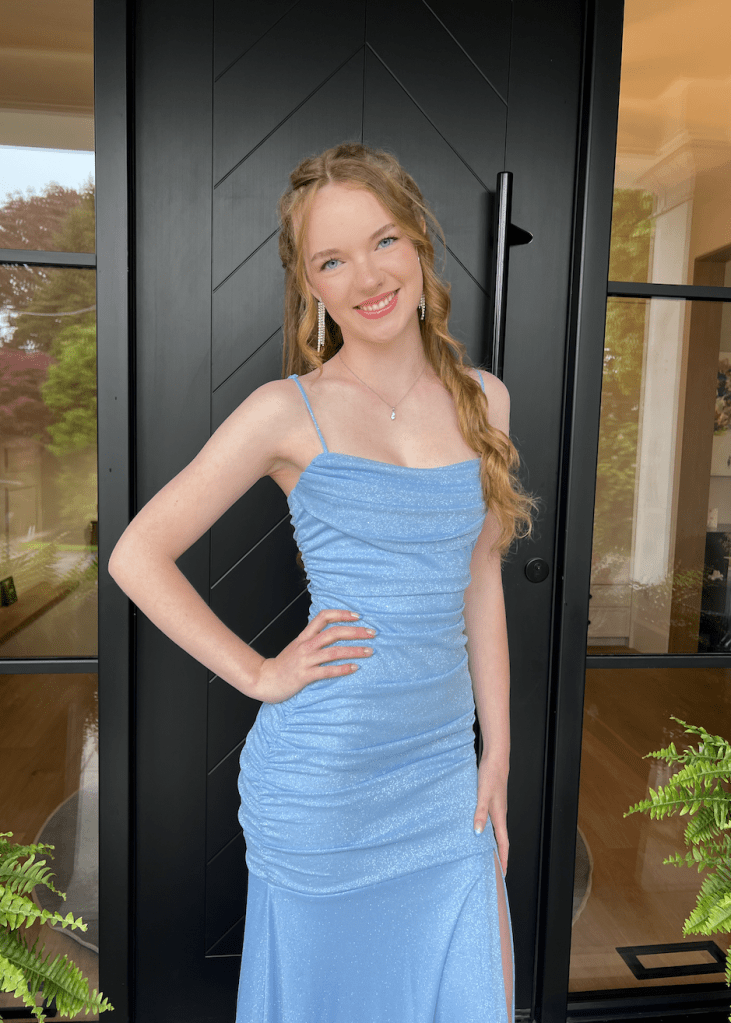
Grief is never a linear process. It is not one that goes away at a certain point, or feels any easier after one’s first significant loss.
When I was four years old my dad suddenly died by suicide. Being so young, I did not understand what this meant, although I knew that one of the people I relied upon most was gone in an instant. As a quiet and shy child I felt very isolated in my experience of grief. All of my friends in kindergarten had two parents, and most kids my age didn’t even know what death was while I was trying to understand why my dad had been forever taken away from me too soon. It took me time to be willing to talk about such a confusing and wounding experience.
At the age of four I began play and art therapy. Throughout those unique types of therapy I was able to begin to understand my emotions and what had happened. Ever since, I have been grieving, processing, understanding and missing the father I should have around. In the following years my mother was diagnosed with cancer while raising my sister and I, and once again, my trust and sense of security was rattled, reinforcing my biggest fear that I would also lose my mother. Thankfully my mother was able to recover, although I remember this point of my childhood as full of uncertainty and stress. Along with typical psychotherapy, I returned to art therapy a few years ago where I was able to revisit my difficult emotions of grief and anxiety in a format I best understand. I have had a love for creating art my whole upbringing and in the last couple years have found it particularly therapeutic.
Most recently, I lost my uncle to suicide in 2022. Although grief was nothing new to me at this point, it felt much different. This particular loss was difficult for me as it left me to feel the loss of my father again, at an age where I understood suicide, and what it was like to lose someone so unexpectedly. The loss of my uncle brought on a period of depression and isolation, filled with questions of why this has happened, particularly after also losing my father to suicide. I once again felt isolated from my peers who did not understand my pain and were focused on the future while I felt stuck in the past wishing my loved ones could come back.
Despite the anger and sadness I felt and continue to feel, I have chosen to be resilient. I believe that I have been able to choose resilience because it is what my family has best modeled. My mother raised my sister and I on her own, coping with the loss of her husband, and undergoing chemotherapy and radiation. Despite the emotionally and physically draining load she had placed on her, my mother always remained strong for us. Similarly, my grandparents, my fathers parents have taught me so much about resilience. I feel the closest to my dad when I am with them at their house where they tell me vibrant stories of him as if he were still alive. Losing my father at a very young age left me with few blurry memories of him, although through spending time with my family I feel like I’ve gotten to know him. Simple stories of what my dads personality was like or tales of legendary pranks my dad used to pull bring a lightheartedness to my memory of my father. Like my Nana has always told me, ‘if you can’t laugh about it you’ll only ever cry.’
I do not let my loss define me, although it is not a part of me I try to hide. I have been able to find comfort in things like passing on stories about my dad, going through old photos, cards and his belongings, and most recently, creating art that reflects my grief. Creating art so personal to me has helped me to find comfort and explore the continuing emotions of grief.
Apart from self reflection and meaningful relationships with family and friends, I have found a lot of support from my therapist. Although I’ve been in therapy ever since I was four, when I was 12 I began more frequent sessions with a new therapist where I felt I was able to dig a lot deeper. Through my sessions with her I have been able to work on my anxiety, coping mechanisms, discuss difficult topics about loss and work on revisiting and healing my inner child. Through my sessions with my therapist I have been able to revisit that period in my life with a new understanding and empathy for my younger self.
In the fall I will be attending Western University for a Bachelor of Arts in Psychology and Visual Art. I look forward to exploring my love for creativity and art along with Psychology. I am ready to challenge myself and hope that my particular degree will help me to become an art therapist one day. It is my goal to give back to the community specifically by helping children like me and my younger self creatively work through the things they may have trouble talking about and understanding. I look forward to giving back to the community in a meaningful way that honours my experiences and continuous resilience.
Vincent B
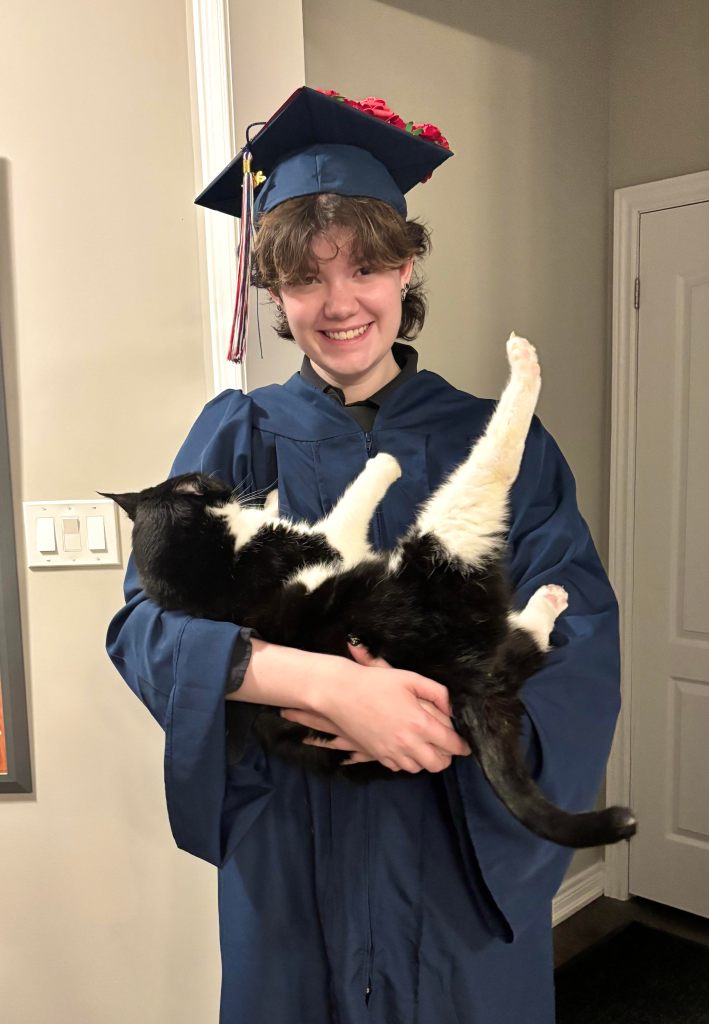
When my dad passed away in October of 2023, I didn’t just lose my father but also one of my greatest supporters. A big connection my dad and I had was through video games–we would spend hours playing together, those days being some of my favourite memories. Video games are also where I sparked an interest in game development, which then developed into a passion for coding and computers. In high school when I started taking computer science courses, my dad would always encourage me to talk to him about what I was learning, even when he had no idea what any of it meant. His interest made me even more passionate about coding, and knowing he was excited for me to get into computers was part of the reason I decided to pursue it for post-secondary.
He used to get emotional about how quickly I was growing up. Coming to terms with the fact that after he passed, he would never see me grow into myself, go through my transition, graduate high school, and get through university–all the milestones he was supposed to witness–felt impossible. At sixteen years old, one of the main supports of my life was suddenly gone. I had no motivation for school or my hobbies–it felt like this is how it would be forever. However, losing my dad brought me closer to the rest of my family because we all understood each other’s pain. With the help of my family, my friends, and my therapist, I realized that instead of letting my passions go out with my dad, I should use him as a motivator to keep going. Even if he isn’t here anymore, I want to make him proud. I want to continue doing what he inspired me to do: to pursue my passions, to work hard in school, and to continue my transition. When I first came out as transgender to my family, he consistently reminded me that he’d be there to advocate for me every step of the way. Though he passed before I started medically transitioning, I’ve been on testosterone for a year now, and as my face changes, I start to see more of my dad’s features in myself–a reminder that he will always be a part of me.
It was extremely difficult to not have my dad at my graduation to see me get my high school diploma, but I take both pride and comfort in knowing that I’m still passionate about computers and pursuing a degree in the field. I’ll be forever grateful to my dad for helping me discover this passion, and I’m excited to continue my studies in the field and eventually build a career in it. I know my dad would be delighted with how far I’ve come as a student and a person. Though he’s no longer here, he remains one of my greatest motivators, and I can’t wait to continue making him proud. In every step I take, every milestone I reach, he lives on–his influence shaping who I am and the man I’m becoming.
Robyn C
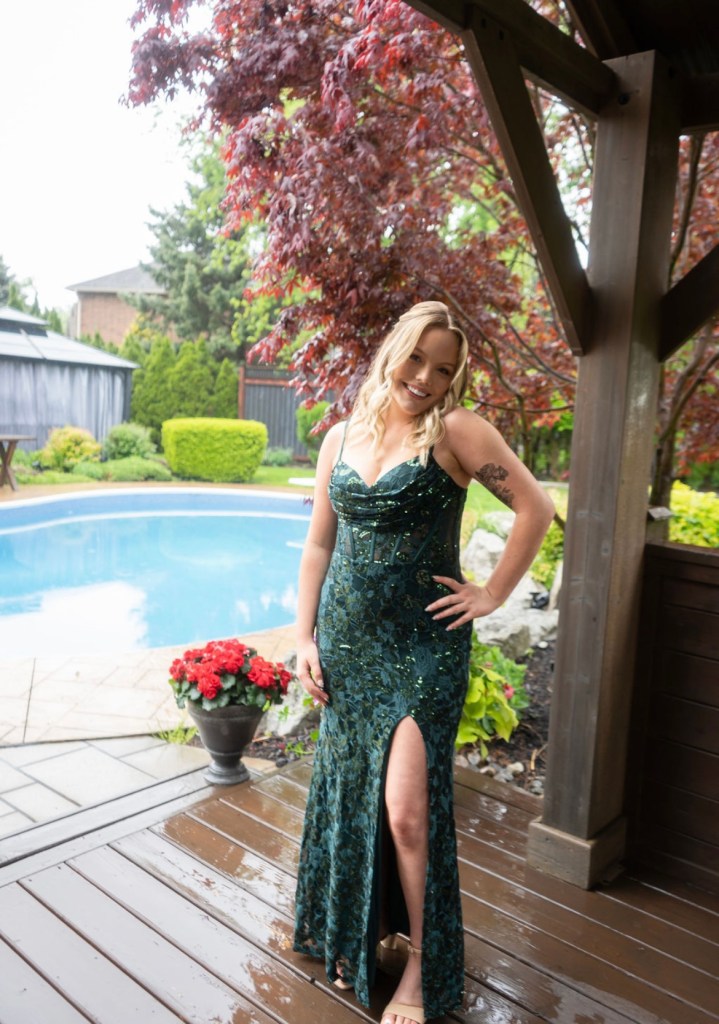
I have experienced many losses throughout my life, but by far the one that impacted me the most was my mom. My mother was diagnosed with small cell lung cancer in 2016, and it rapidly progressed to stage four brain cancer. I was unable to comprehend why she had been getting worse rather than better. On December 4th 2016, I woke up to my mother having a stroke in our living room. This time has been embedded in my brain forever. December 5th 2016, my brave, beautiful mother and best friend lost her battle to cancer. Soon after my mother’s death I experienced even more tragedy when both of my aunts (my mother’s sisters) passed away suddenly. This left me feeling hopeless, confused, and in need of guidance. I was struggling having lost three significant female role models in my life at such a young age.
As I grew older it became even more challenging trying to navigate through my pre-teen and teenage years without a mother to guide me. The toughest times have been in high school, going through a roller coaster of emotions which is normal for most teenage girls, but with the added weight of loss and grief. I never imagined not having my mother with me by my side for all of life’s important events and stages – first day of high school, semi-formals, watching me play sports, graduation, wedding, and seeing me become a mother myself. I am grateful for the women in my life who have stepped up and served as role models for me in the absence of my mom. Although not the same as having my mom here, I am thankful for the kindness of others to help me through life.
When I realized that I couldn’t carry the burden of my mom’s death on my own any longer, I reached out to my guidance counselor who referred me to the school social worker. This was the start of me taking on a different perspective of how to handle my grief and use it in a positive way. Before I felt more broken, lost and hurt, but now I am so much stronger and can handle much more than I ever thought I could after experiencing so much loss. I discovered that I was constantly repressing my emotions and told myself I was fine, but as I got older, I understood that it is acceptable to not feel okay. One positive that came out of this is that it has made me appreciate my friends and family and the time I get to spend with them. Because at a young age I realize how precious time is, and it is not promised.
Ever since I was a young child, I have wanted to help individuals with their mental health and the losses I have experienced have made this more apparent. My long-term objective is to provide a safe and secure environment where individuals can put their trust in when in need of assistance, which is why in September I will be attending Wilfrid Laurier University for a bachelors in social work. I want to become a social worker so I can one day have the same impact on others that I was given. I want to be able to help people realize their worth and turn their weaknesses into strengths. The Choose 2 Be Resilient Scholarship can help me achieve this goal.
 Choose 2 Be Resilient